Wheel finish comes first
Factory clear-coated wheels generally tolerate different chemistry than bare polished aluminum, anodized parts, matte finishes, or damaged coatings. Identifying the finish is more important than deciding how dirty the wheel looks.
Brake contamination can be both chemical and mechanical
Ferrous material and road film may need dedicated chemistry, but agitation tools and trapped grit can still scratch the finish. Chemical strength does not replace controlled tools.
Tires need actual cleaning before dressing
Layering fresh dressing over old silicone, browning residue, and road film creates uneven appearance and weak durability. A clean tire gives a much more honest base for the final finish.
Trim restoration has limits
Restorers and coatings can darken and protect weathered plastic, but they cannot rebuild physically degraded material. Uneven weathering can also create uneven uptake and appearance.
| Surface | Decision | Risk |
|---|---|---|
| Clear-coated wheel | General wheel-safe chemistry | Heat / long dwell on damaged clear |
| Bare or polished metal | Dedicated compatible metal process | Etching or staining |
| Tire sidewall | Deep clean before dressing | Sling and patchy finish from over-application |
| Weathered plastic trim | Clean, assess, then restore/protect | Uneven absorption on degraded material |
Products that belong at this decision point
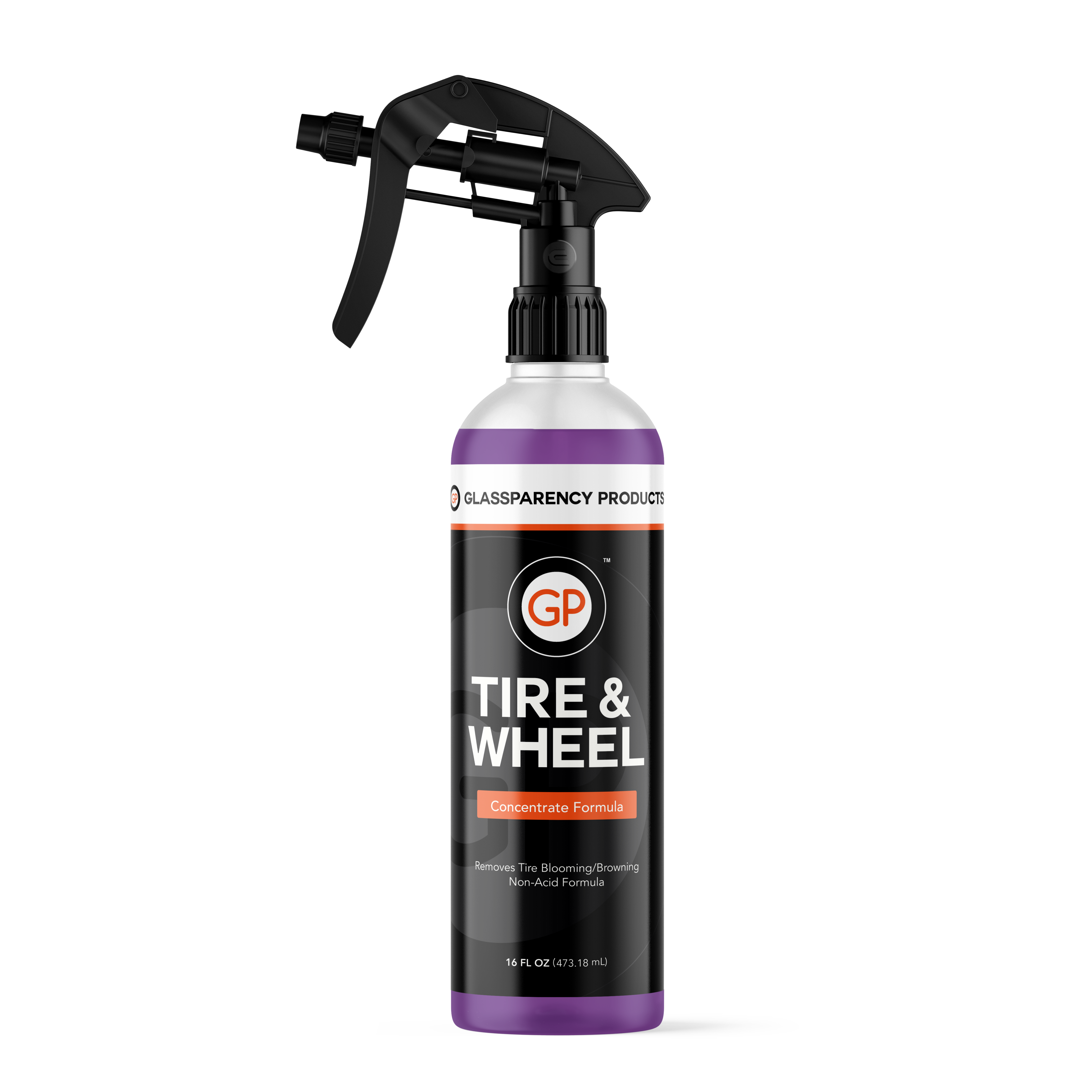
Tire & Wheel Cleaner
Wheel/tire cleaning chemistry for road film, brake residue, and old dressings before protection or redressing.
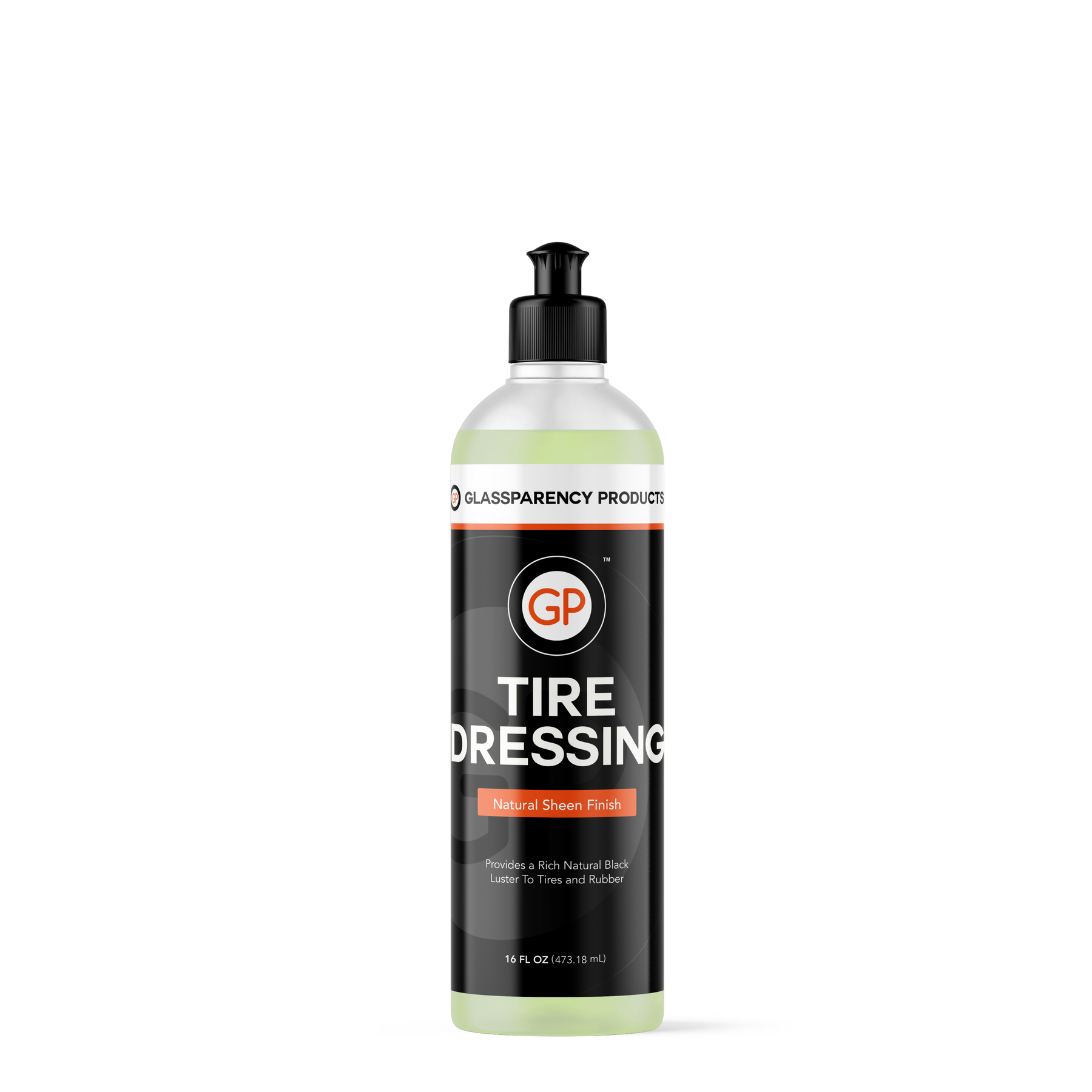
Tire Dressing
Finishing treatment that changes tire appearance and surface behavior after the rubber is properly cleaned.
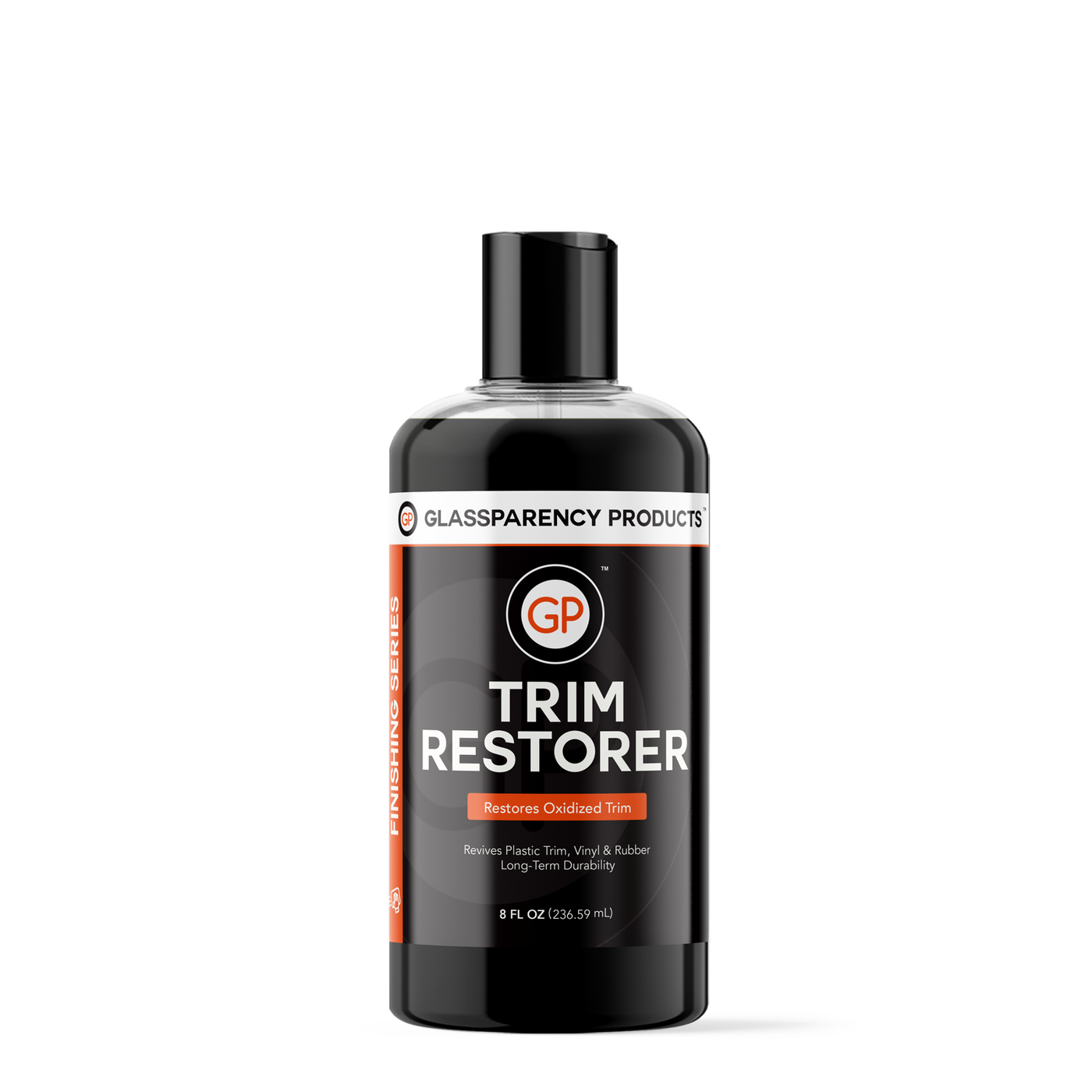
Trim Restorer
Restoration/protection step for weathered exterior trim where color loss and surface oxidation are the problem.
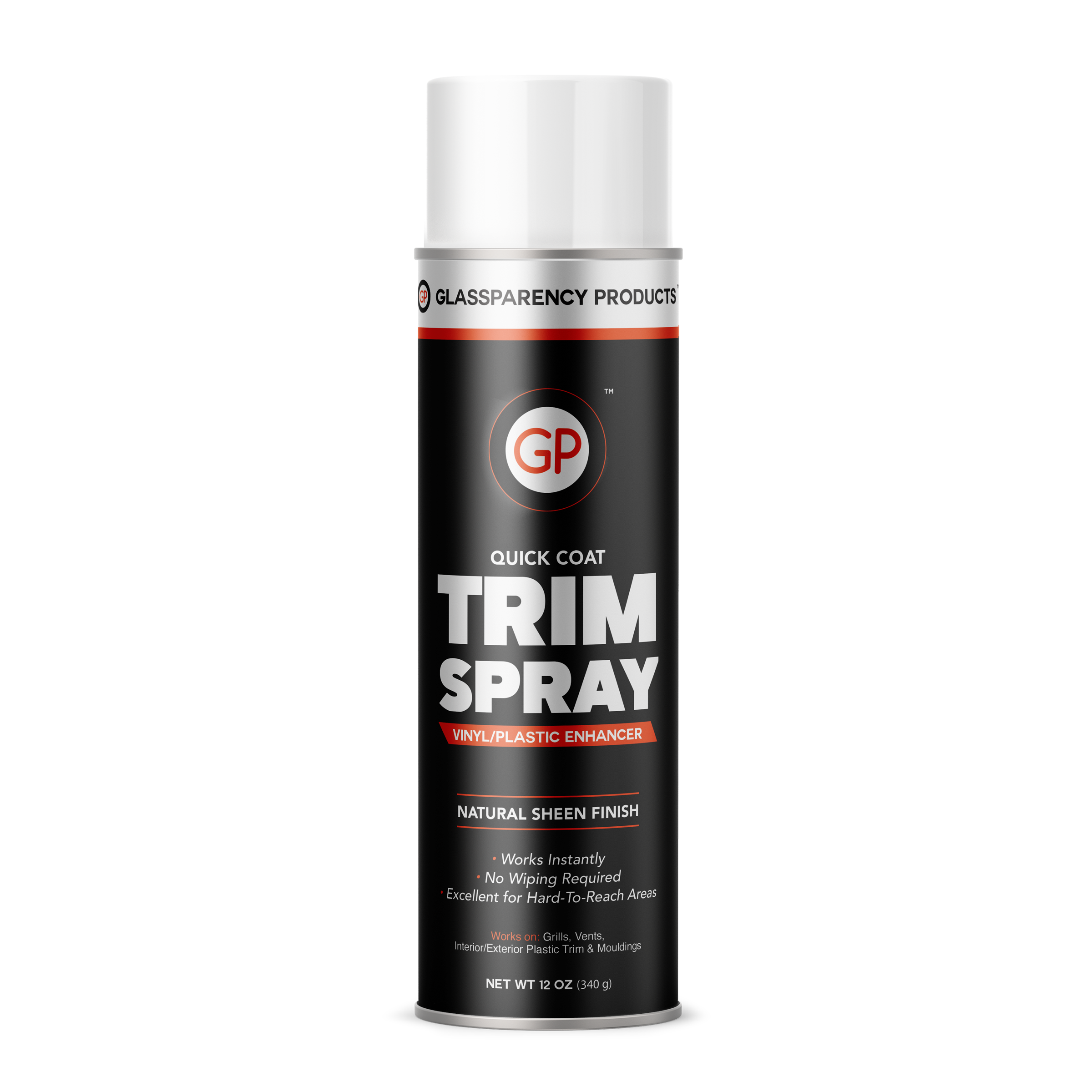
Trim Spray Plastic & Vinyl Aerosol Coating
Aerosol trim coating for plastic/vinyl surfaces where a more persistent finish than a wipe-on dressing is desired.