Start with contamination, not product choice
Loose dirt, bonded contamination, mineral deposits, oxidation, scratches, and old protection are different problems. Treating them as one problem leads to over-aggressive chemistry or unnecessary polishing. The safest sequence usually removes the least-invasive problem first, then reassesses.

A practical order of operations
- Wash: remove loose and traffic-film contamination.
- Chemical decontamination: target iron, mineral residue, bugs, tar, or other specific contamination.
- Mechanical decontamination: only if bonded contamination remains.
- Correction: compound or polish only when defects in the finish justify material removal.
- Panel prep: remove polishing residue and inspect the actual finish.
- Protection: apply coating, sealant, spray protection, or another system to the condition you have deliberately created.
Why order matters
Skipping contamination removal can make polishing pads load quickly and drag abrasive particles. Applying protection over polishing oils can reduce bonding or hide defects. Using strong decontamination chemistry after a fresh protection step can shorten its life immediately. The order is what keeps each product doing one job instead of compensating for a missed step.
Escalation has prerequisites
The next step should solve a problem that is still present, not compensate for a step that was skipped or poorly executed. Before increasing chemical strength, abrasion, heat, or material removal, confirm the current surface condition and the safety margin for the next process.
| Before escalating | What should be known |
|---|---|
| What remains | Identify whether the remaining issue is soil, bonded contamination, mineral residue, oxidation, a scratch, etching, or failed protection. |
| What the previous step actually accomplished | Rinse/wipe/inspect so residue from the process is not mistaken for a remaining defect. |
| Whether the next step can address that defect | Use chemistry for removable contamination and abrasion only when the defect requires material removal or mechanical action. |
| Surface margin | Account for repaint history, thin areas, edges/body lines, delicate trim, aftermarket film, aged plastics, heat sensitivity, and prior unknown work. |
| Test result | Prove the stronger method on a small area before applying it broadly. If the test does not produce a worthwhile improvement cleanly, stop or change direction. |
| Condition | Next move | Main risk |
|---|---|---|
| Loose/road soil | Wash chemistry matched to soil load | Marring from poor contact technique |
| Bonded ferrous contamination | Iron removal before mechanical decon | Drying reactive chemistry on the surface |
| Mineral deposit | Chemical mineral removal, then reassess | Confusing remaining etching with remaining mineral |
| Swirls/oxidation after decon | Test spot before full correction | Removing more clear coat than the defect justifies |
| Corrected/prepped finish | Protection system matched to maintenance plan | Locking residue or defects under protection |
Products that belong at this decision point
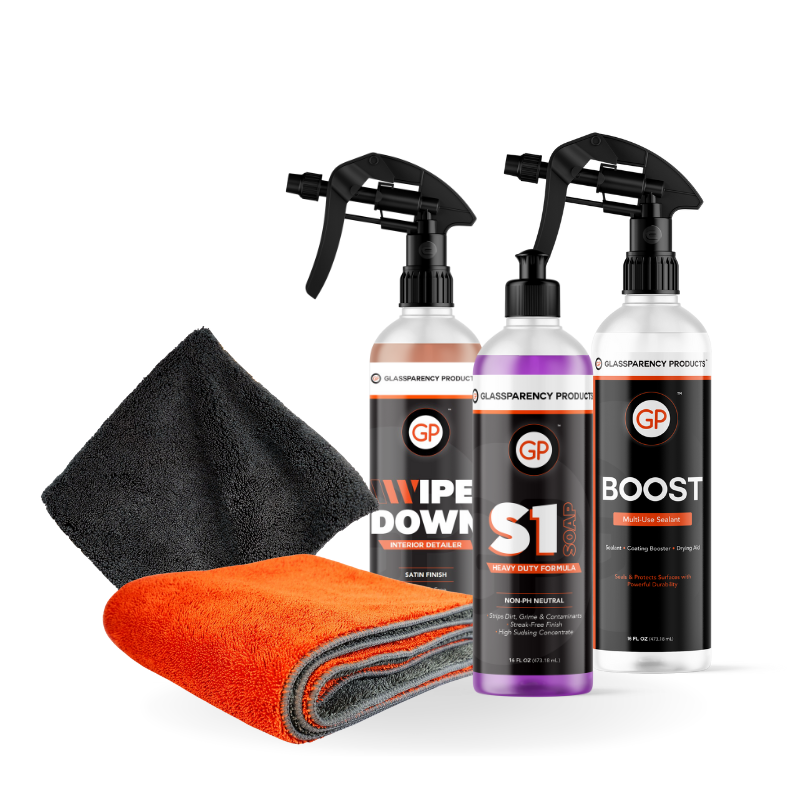
Basic Car Wash Kit
Multi-step maintenance bundle assembled around a defined wash/detail process rather than a single chemistry.
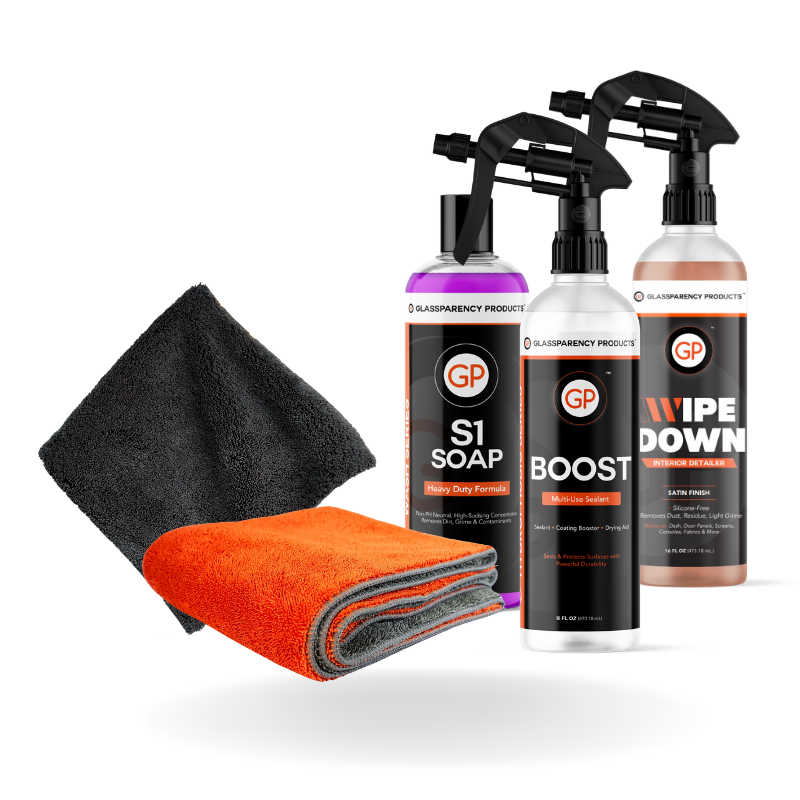
Basic Wash Kit
Multi-step maintenance bundle assembled around a defined wash/detail process rather than a single chemistry.
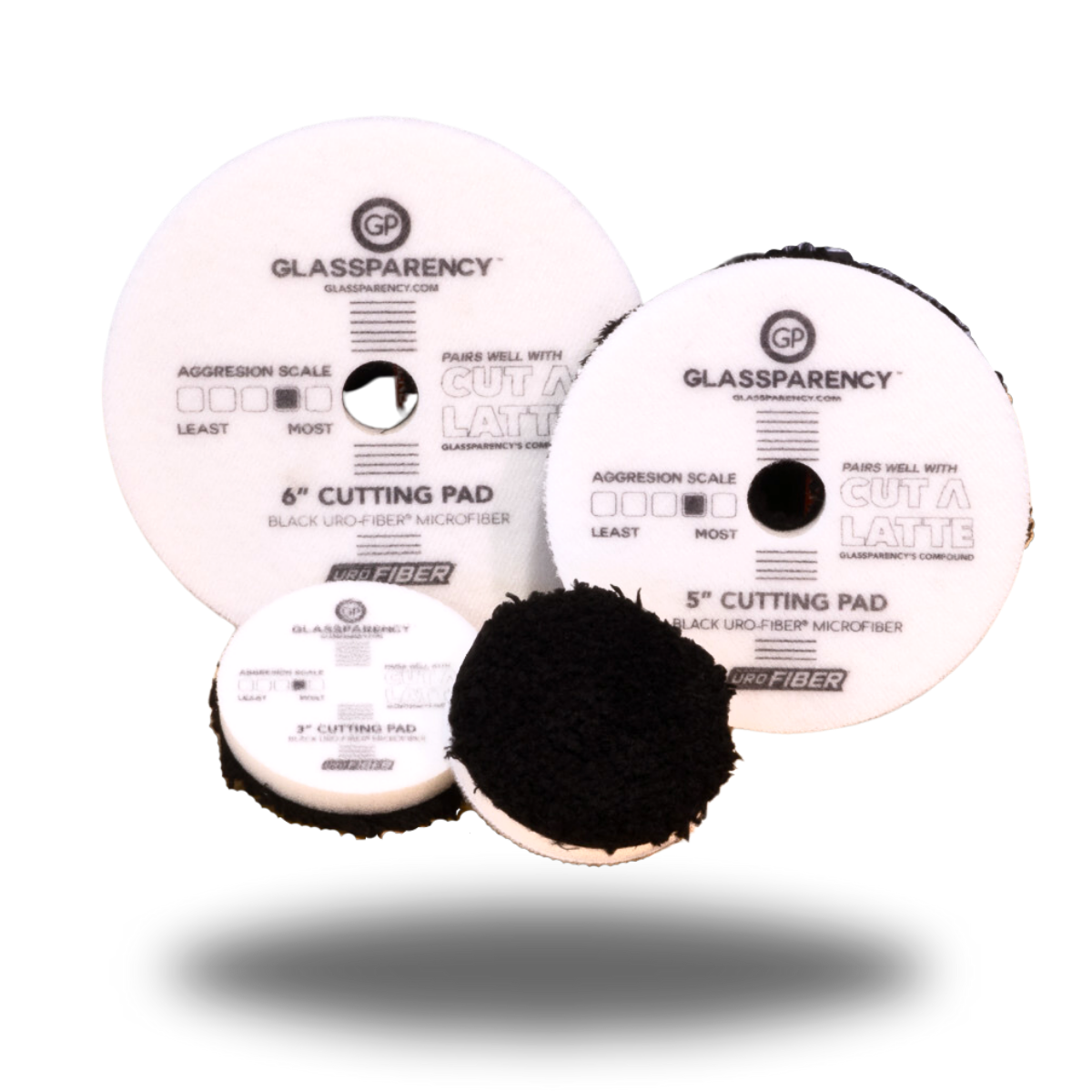
Black UroFiber Medium Cut Microfiber Pad
Microfiber correction pad for higher defect-removal demand than a finishing foam pad, while staying below the aggression of the heaviest cutting systems.
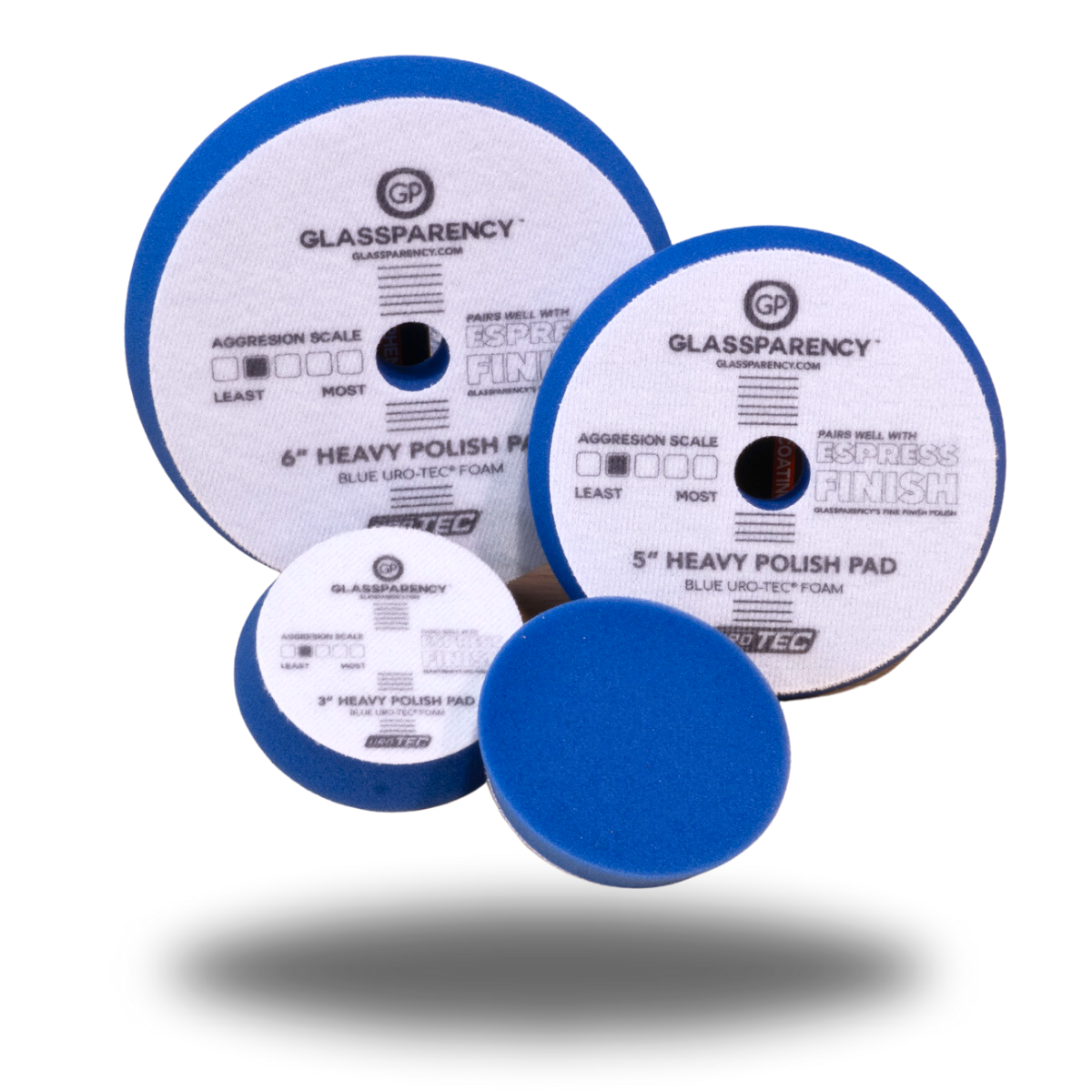
Blue UroTec Light Cut/Heavy Polish Foam Pad
Light-cut/heavy-polish foam pad for refinement, one-step correction, or softer paint where a medium-cut pad is too aggressive.