GSM describes mass per area
Higher GSM usually means more fiber mass and often more absorbency or cushion, but it does not automatically mean a towel is softer, safer, or better for every task. A very heavy towel can be excellent for drying and awkward for coating leveling.
Pile and weave decide how the towel behaves
Shorter pile can provide more direct control for coating removal or glass. Plush pile can increase cushion for final wipe work. Twist-loop construction is commonly used for drying because it handles water differently than a standard plush towel.
Contamination is the hidden variable
A premium towel that has trapped grit, dried coating, metal particles, or old dressing is no longer premium contact media. Task separation matters because residues that are harmless on a tire can be disastrous on corrected paint.
Laundry changes performance
Fabric softener and residue can reduce absorbency and alter fiber behavior. High heat can damage synthetic fibers. Clean storage matters just as much after washing.
| Task | Towel direction | Avoid |
|---|---|---|
| Drying | High-absorbency / twist-loop | Using a loaded towel across gritty panels |
| Polish removal | Moderate/plush edgeless | Overly wet or product-saturated towels |
| Coating leveling | Controlled low/medium pile, dedicated towel | Reusing cured coating towels on paint |
| Glass | Low-lint, clean dedicated towel | Fabric-softener residue and dirty edges |
Products that belong at this decision point
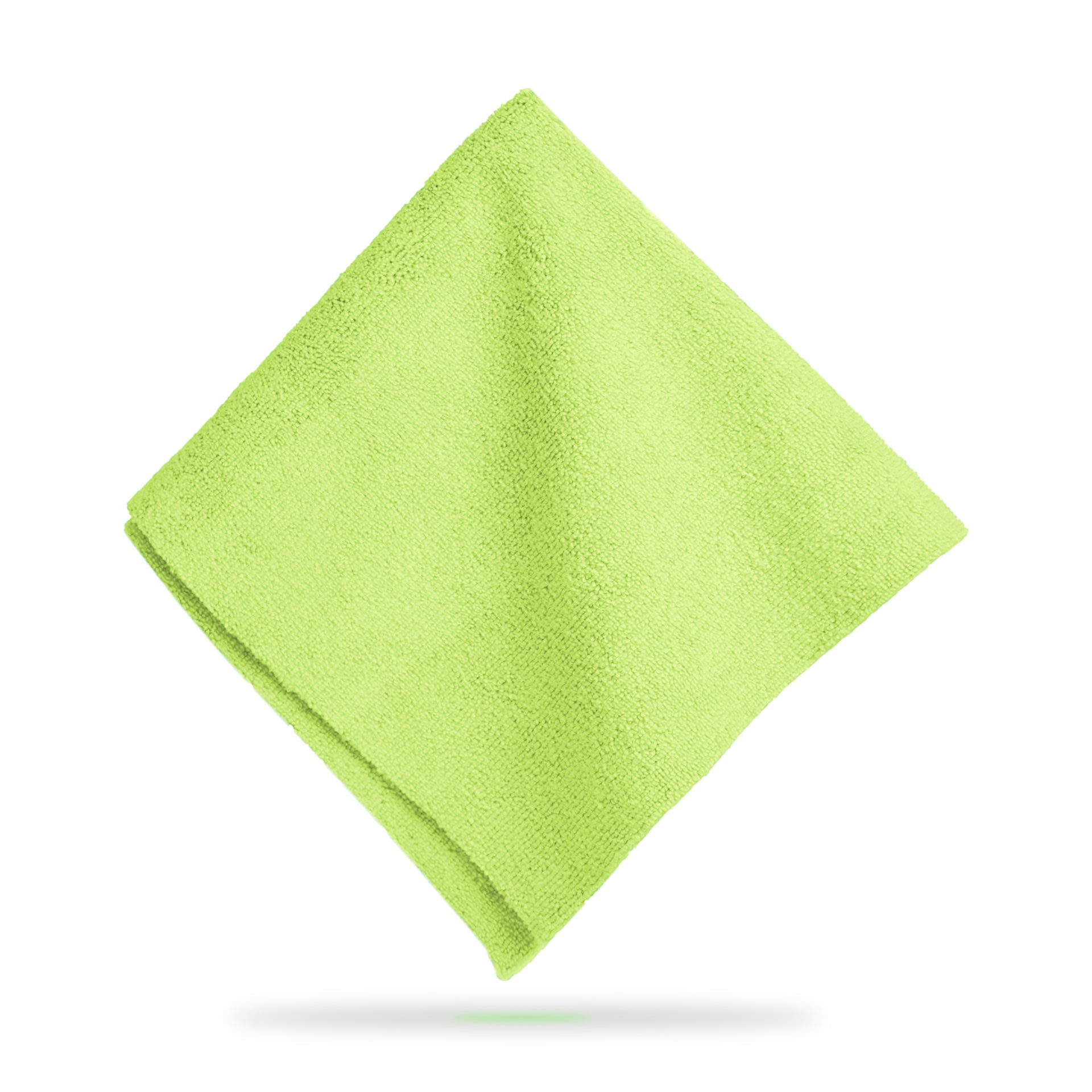
360 GSM Edgeless Microfiber Towel - Green
General-purpose edgeless microfiber in a moderate GSM range that can serve wipe-off, light cleaning, and coating-support roles depending on pile and cleanliness.
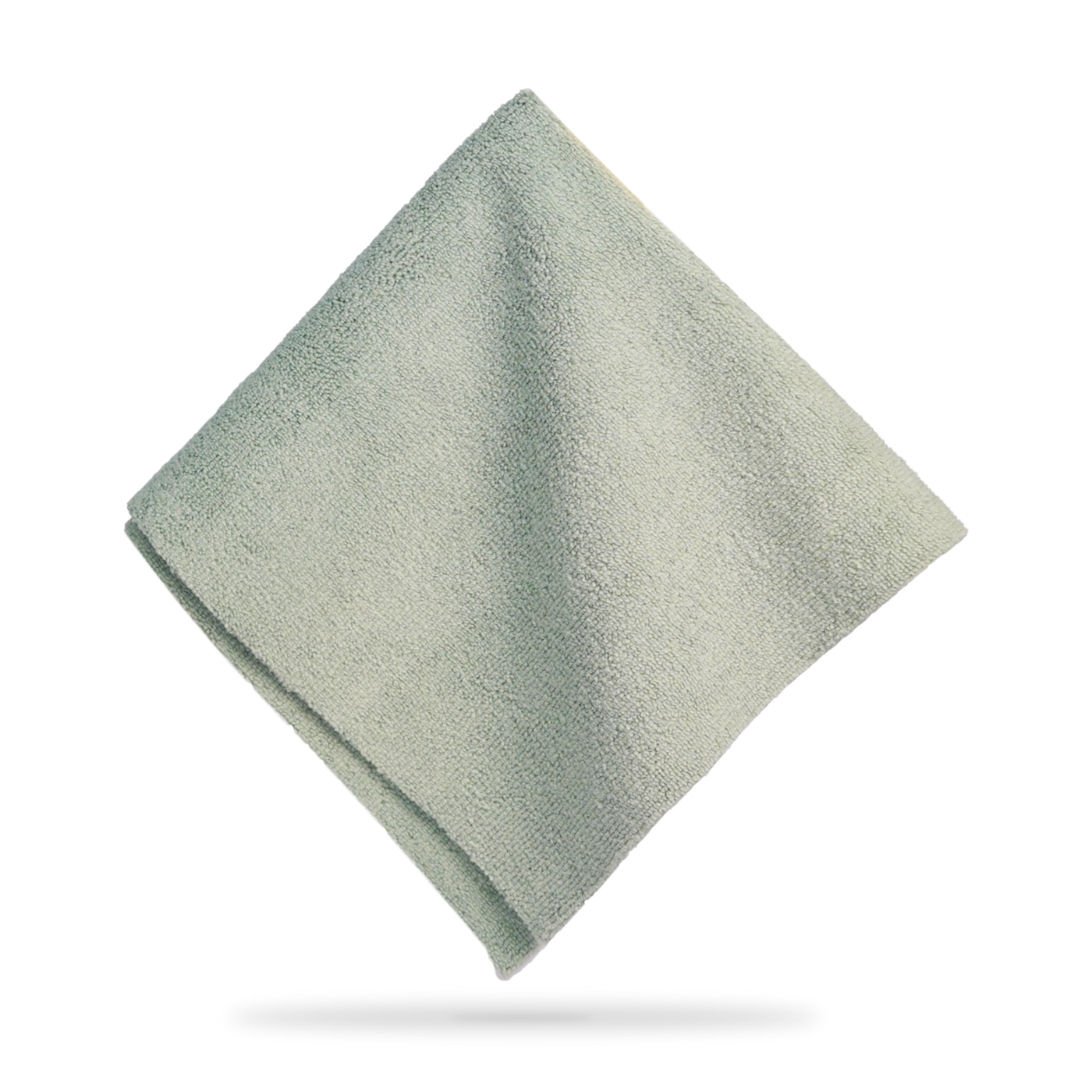
360 GSM Edgeless Microfiber Towel - Light Grey
General-purpose edgeless microfiber in a moderate GSM range that can serve wipe-off, light cleaning, and coating-support roles depending on pile and cleanliness.
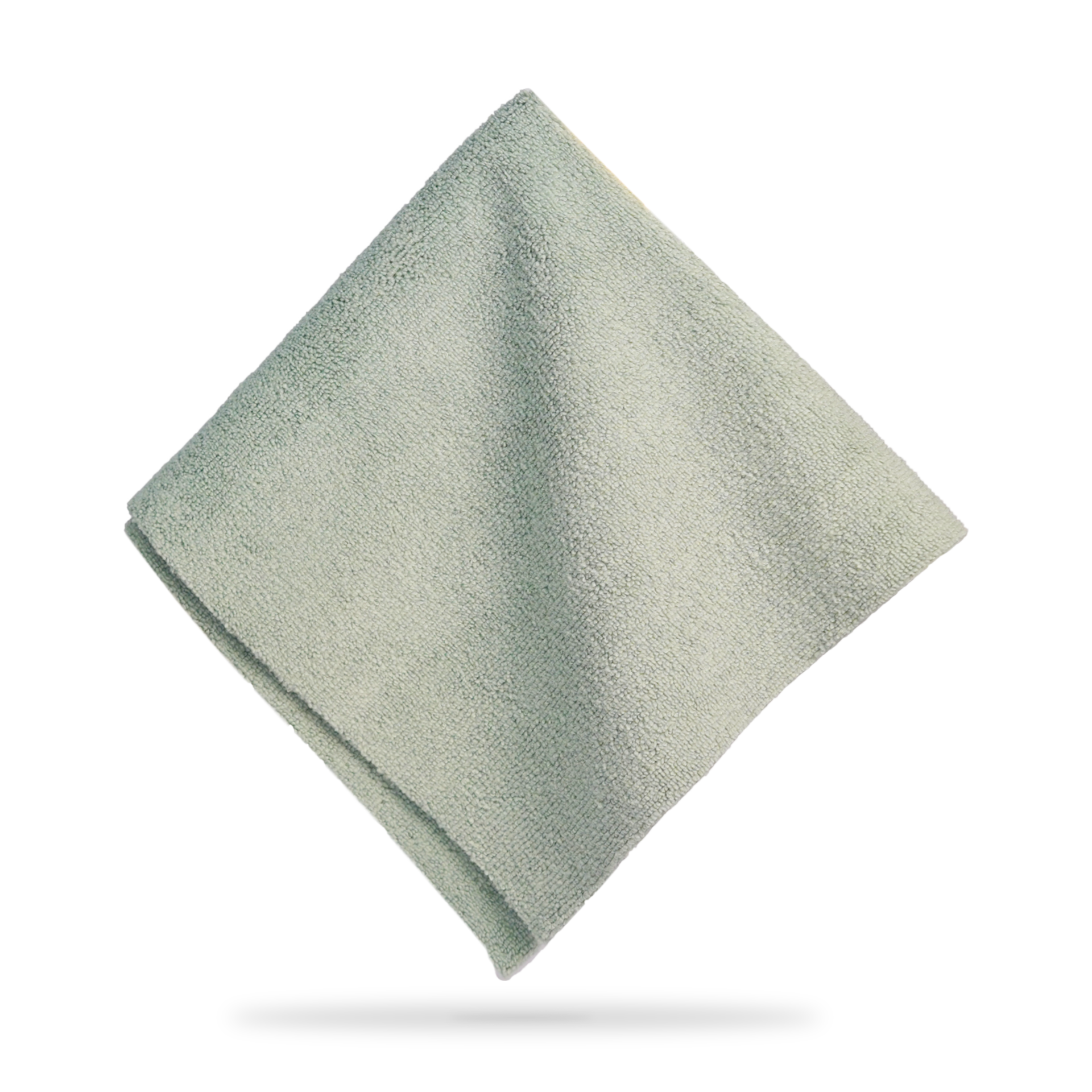
360 GSM Edgeless Microfiber Towel - Light Grey - Single Towel
General-purpose edgeless microfiber in a moderate GSM range that can serve wipe-off, light cleaning, and coating-support roles depending on pile and cleanliness.
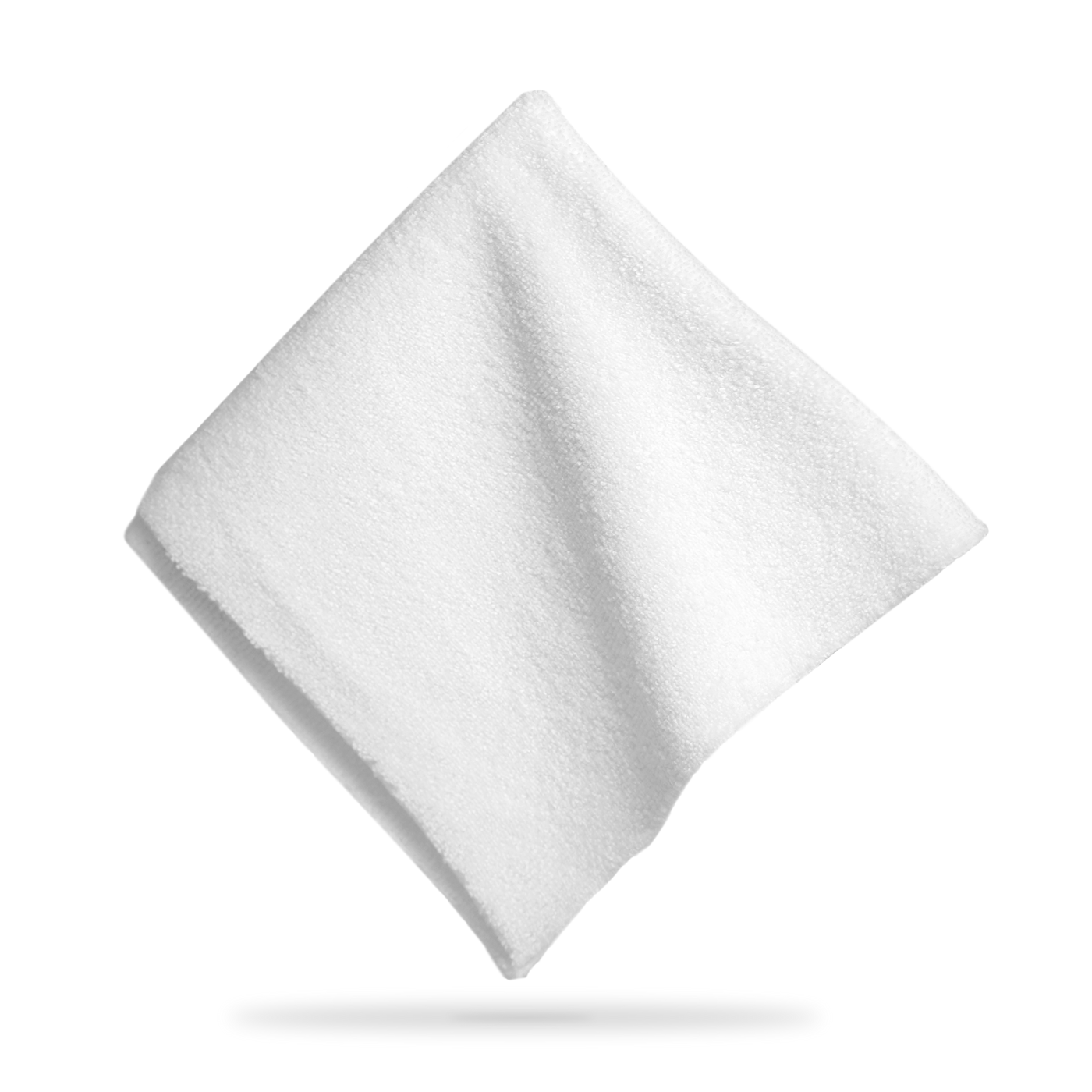
360 GSM Edgeless Microfiber Towel - Snow White
General-purpose edgeless microfiber in a moderate GSM range that can serve wipe-off, light cleaning, and coating-support roles depending on pile and cleanliness.