Concentration is part of the product
A concentrated cleaner can behave like several different products depending on dilution. Stronger is not automatically more efficient if it leaves residue, changes sheen, or attacks a coating.
Moisture can be more dangerous than chemistry
Switches, seams, perforated leather, headliners, foam-backed fabric, and electronic interfaces can be damaged by over-wetting even when the cleaner itself is compatible.
Matte surfaces expose technique problems
Repeated aggressive wiping can burnish matte plastics and steering surfaces, creating permanent shiny patches that look like dressing residue but are actually mechanical wear.
Protection should not change the controls
Any coating or dressing used on steering wheels, pedals, touchscreens, or controls must be considered for friction, glare, and tactile change, not only stain resistance.
| Surface | Primary concern | Common mistake |
|---|---|---|
| Coated leather | Soil removal without over-wetting | Assuming every leather needs heavy conditioner |
| Soft-touch plastic | Finish sensitivity | Strong cleaner or repeated scrubbing |
| Textile/carpet | Residue + moisture extraction | Over-saturation |
| Screen/gloss trim | Scratch sensitivity | Dirty towel or aggressive chemical |
Products that belong at this decision point
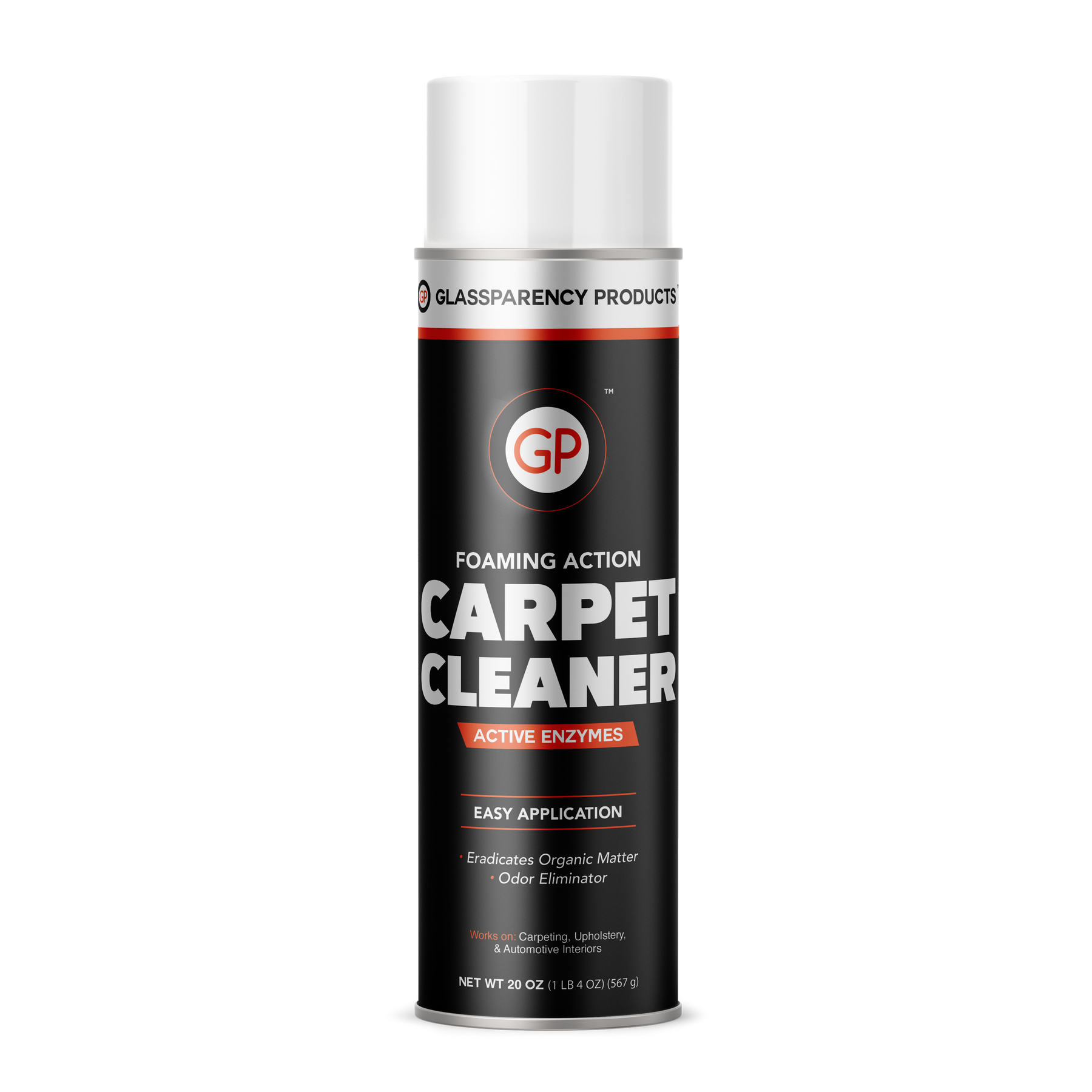
Foaming Carpet Cleaner Aerosol
Upholstery/carpet chemistry where extraction, residue control, and moisture management matter as much as cleaning strength.
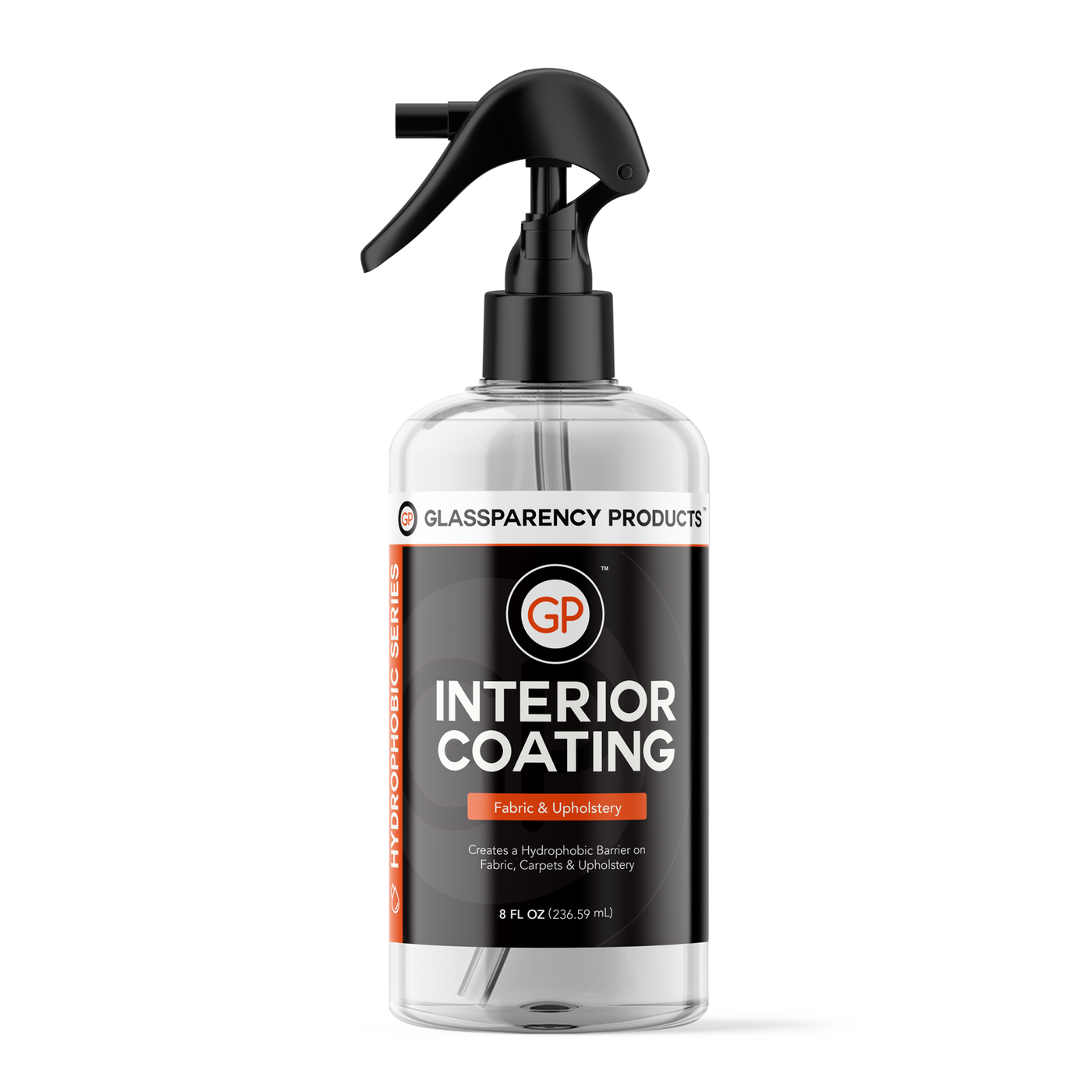
Interior Coating
Protective treatment for compatible interior surfaces where stain resistance and easier maintenance matter more than added gloss.
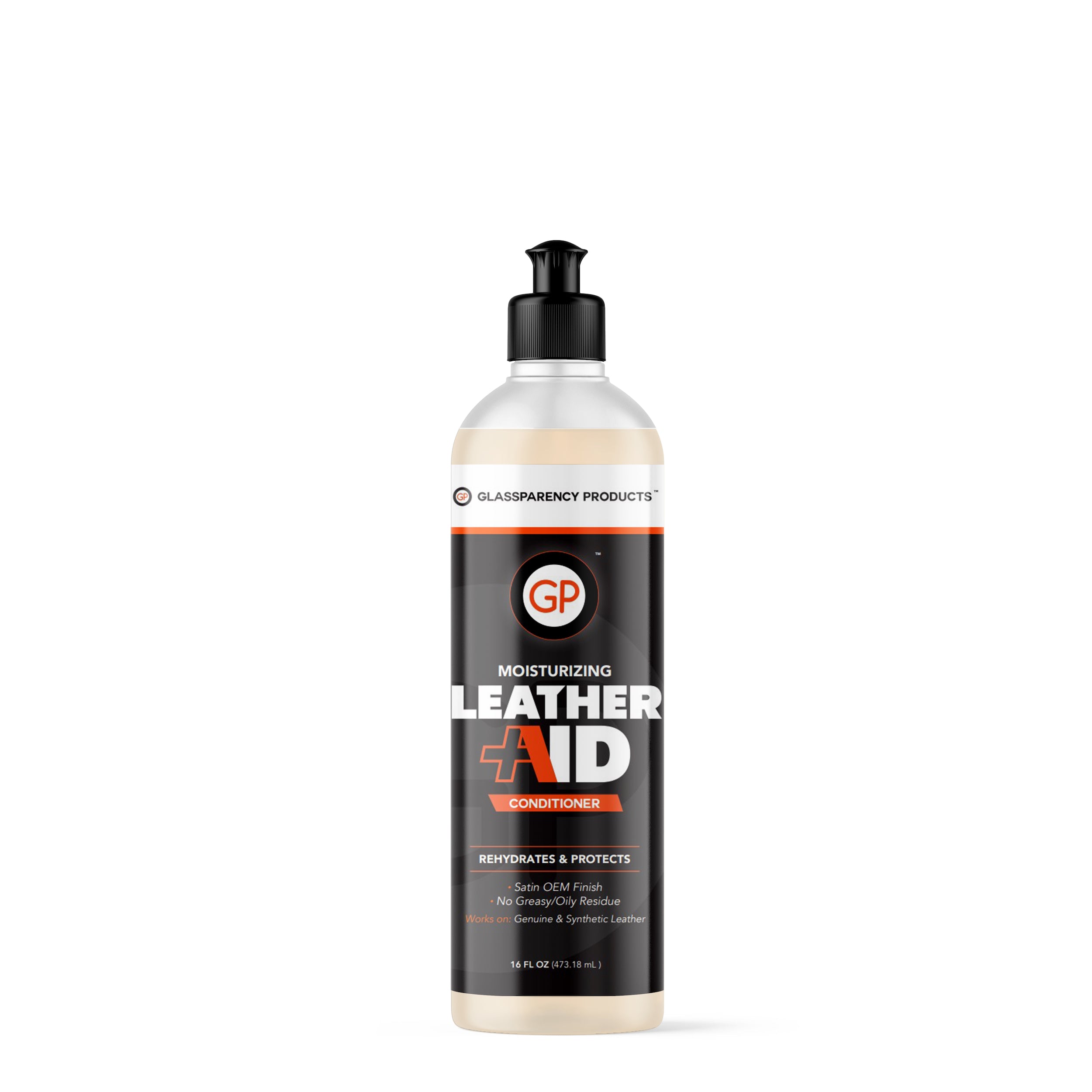
Leather Aid+ Leather Conditioner
Conditioning step intended for leather maintenance after cleaning rather than as a substitute for cleaning.
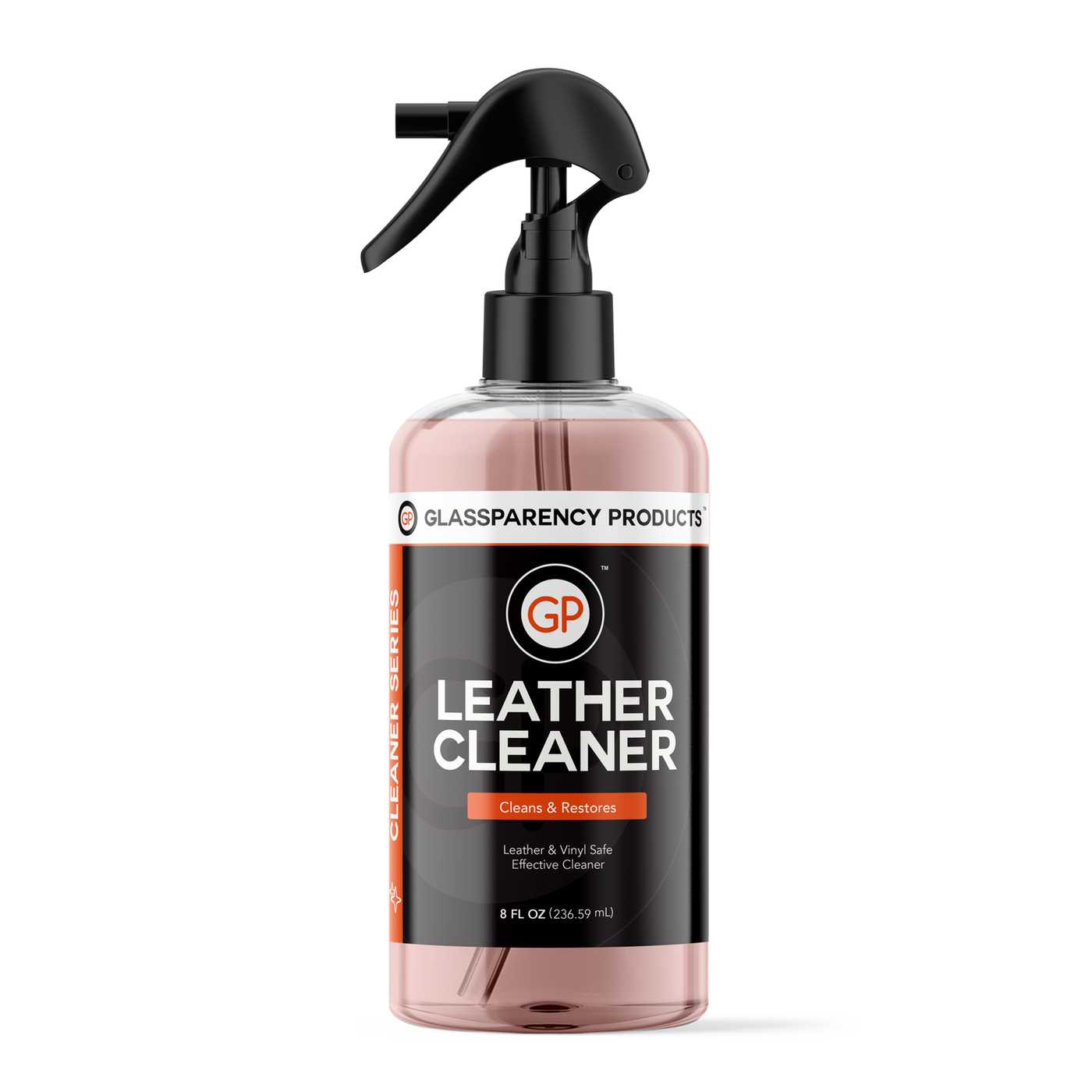
Leather Cleaner
Dedicated cleaner for removing body oils and soil from coated automotive leather without relying on high-gloss dressings to hide contamination.