pH is one variable, not a complete safety rating
Acidic, neutral, and alkaline products can all be appropriate in the right process. pH tells you about hydrogen-ion activity in the solution, but it does not tell you the entire formulation, surfactant system, solvent content, chelation behavior, concentration, or material compatibility. A neutral product can still be a poor choice for a delicate surface, and an alkaline product can be appropriate when heavy organic road film needs to be broken down.
Cleaning power should match soil load
Routine maintenance on a protected vehicle usually calls for less aggressive chemistry than a neglected vehicle being prepared for correction. Using maximum cleaning power every time can shorten sacrificial protection and expose sensitive materials to unnecessary chemical stress. Using chemistry that is too weak can force extra mechanical agitation, which creates a different kind of risk.
Dwell time and temperature change the process
Chemical activity generally increases as temperature and concentration rise. Hot panels also shorten evaporation time, making spotting and dried residue more likely. A product that behaves predictably on a cool panel can become difficult to control in direct sun or on a hot wheel.
The wash medium still matters
Lubrication cannot neutralize hard grit trapped in a mitt or towel. Good chemistry reduces friction and helps release soil, but contact technique controls whether removed contamination is carried away or dragged back across the paint.
| Situation | Preferred direction | Watch-out |
|---|---|---|
| Routine maintenance on protected paint | Neutral or maintenance-focused wash | Dirty media can still mar |
| Heavy road film before correction | Stronger cleaning chemistry may be justified | May weaken waxes/sealants/toppers |
| Hot panel/direct sun | Cool surface or shorten sections/dwell | Drying residue and spotting |
| Light contamination with limited water | Rinseless method can work | Not suitable for packed grit or mud |
Products that belong at this decision point
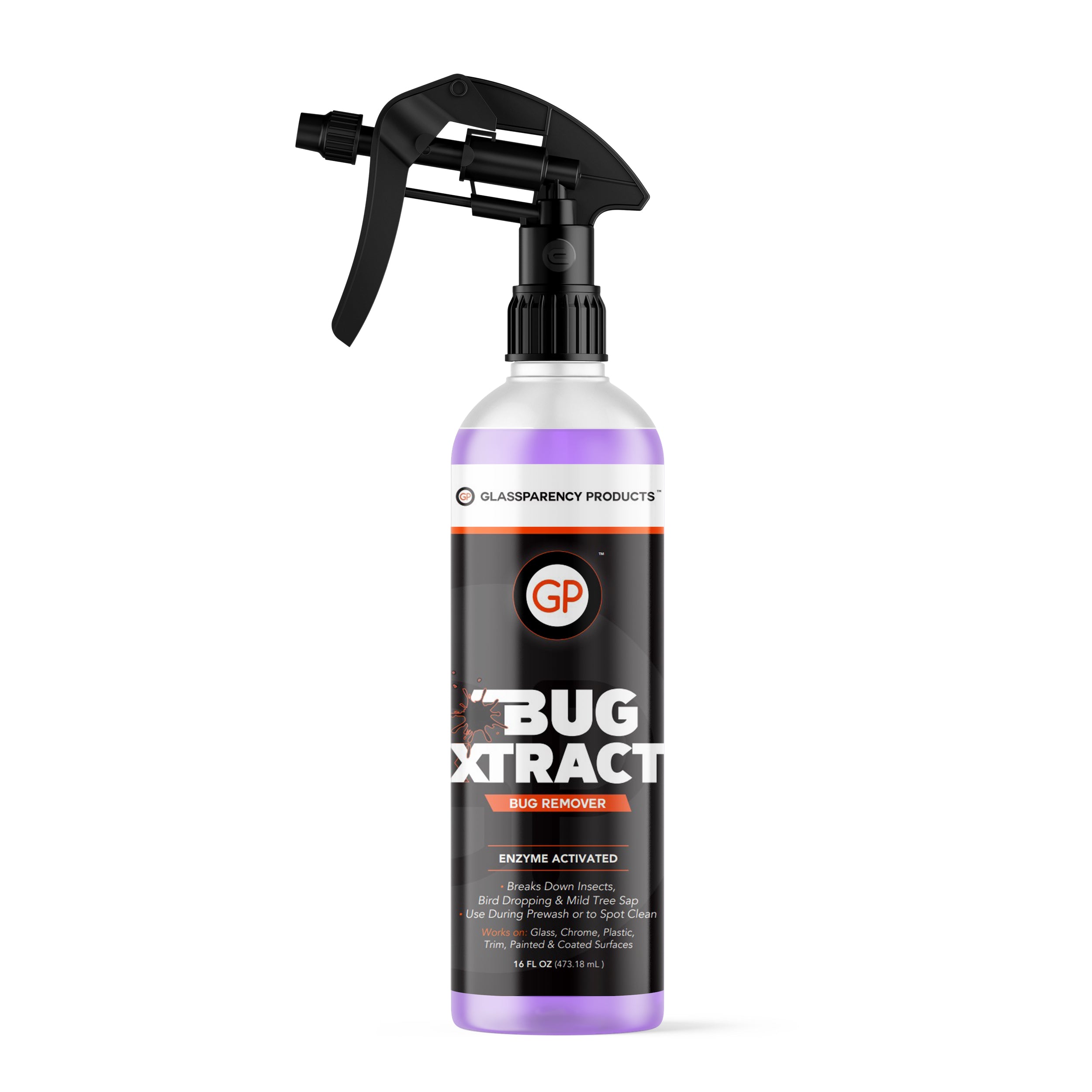
Bug Xtract Bug Remover
Targeted pre-treatment for organic road contamination before contact washing.
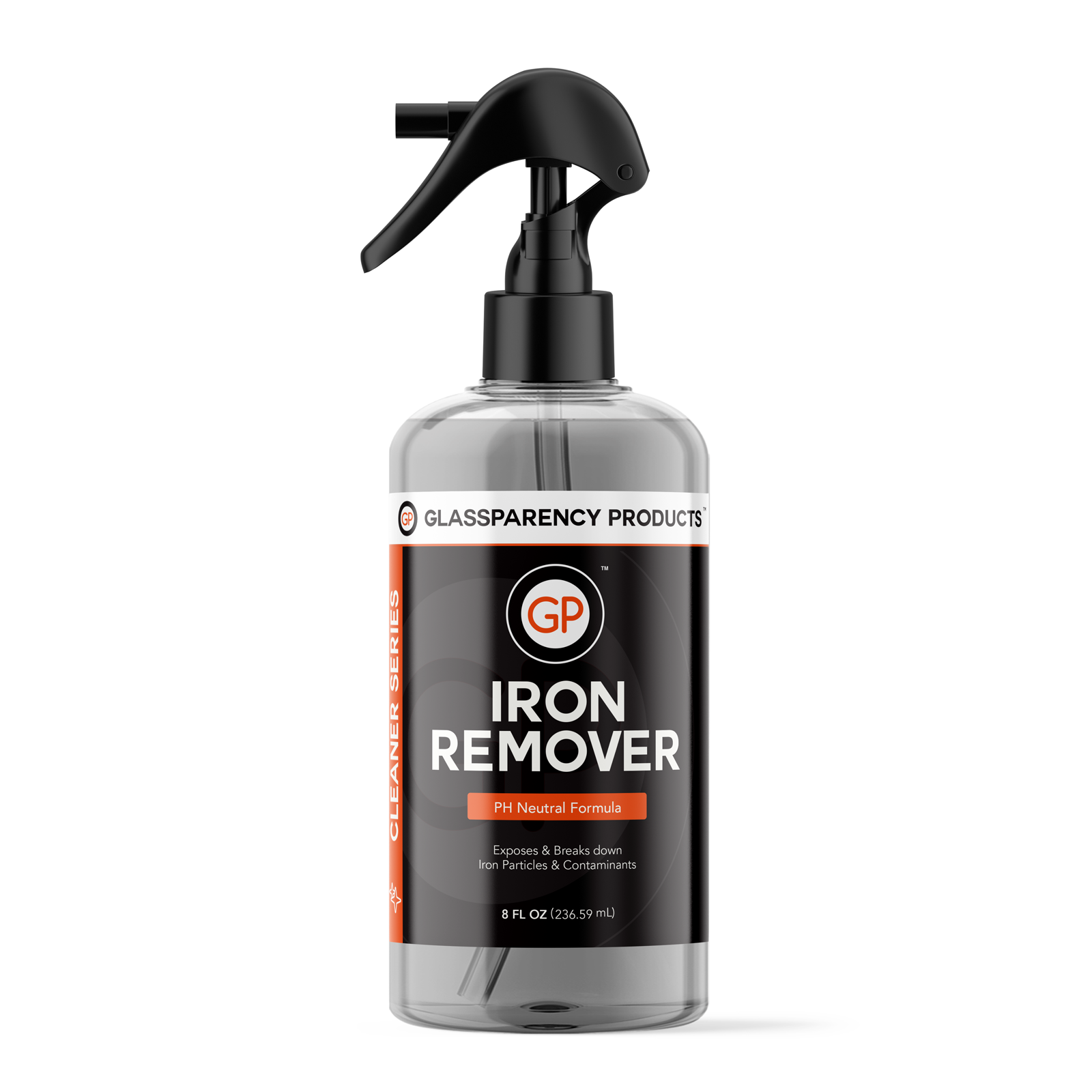
Iron Remover
Chemical decontamination step for ferrous particles embedded in paint and wheels before mechanical decontamination or correction.
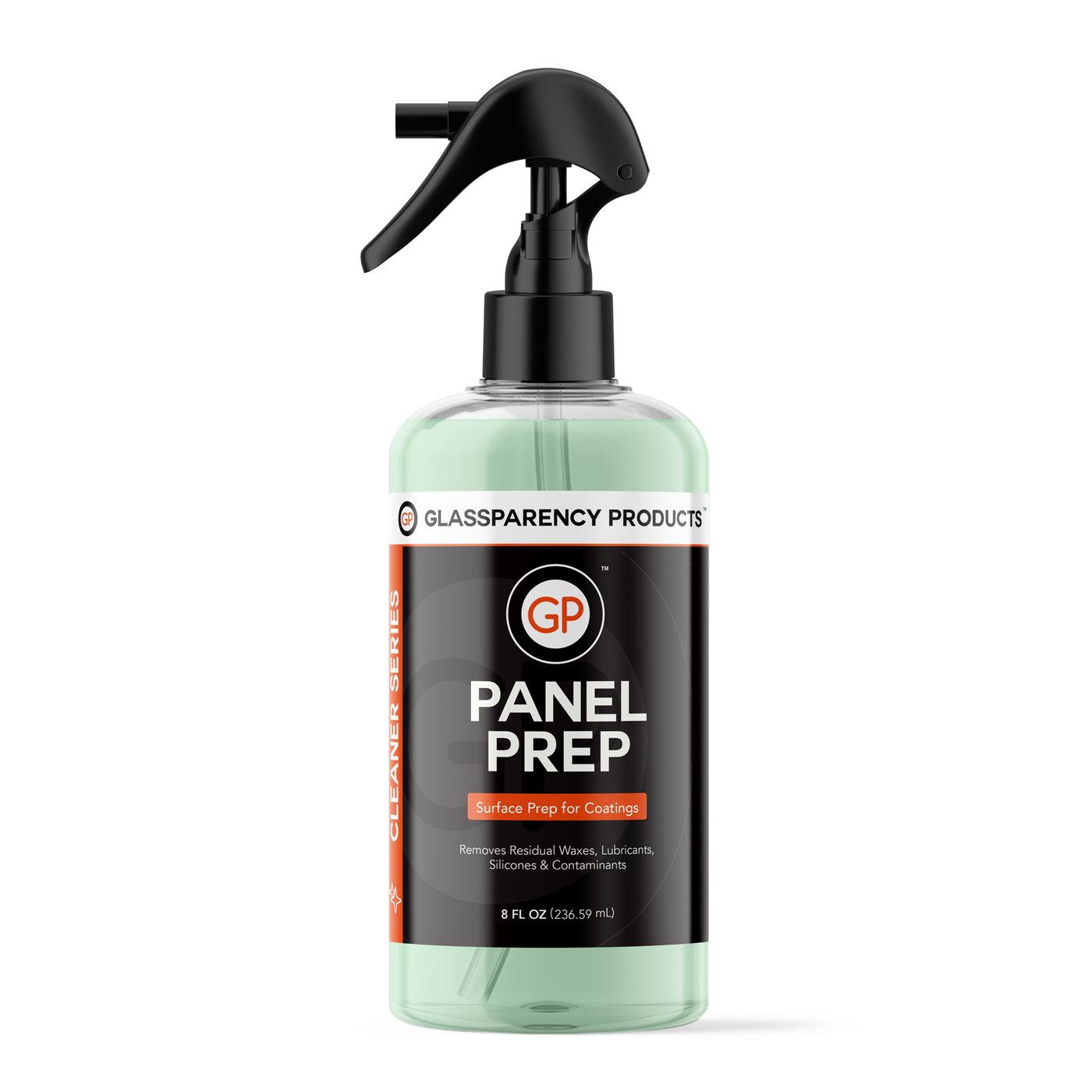
Panel Prep
Final surface-prep wipe for removing polishing oils and residues before coating inspection or application.
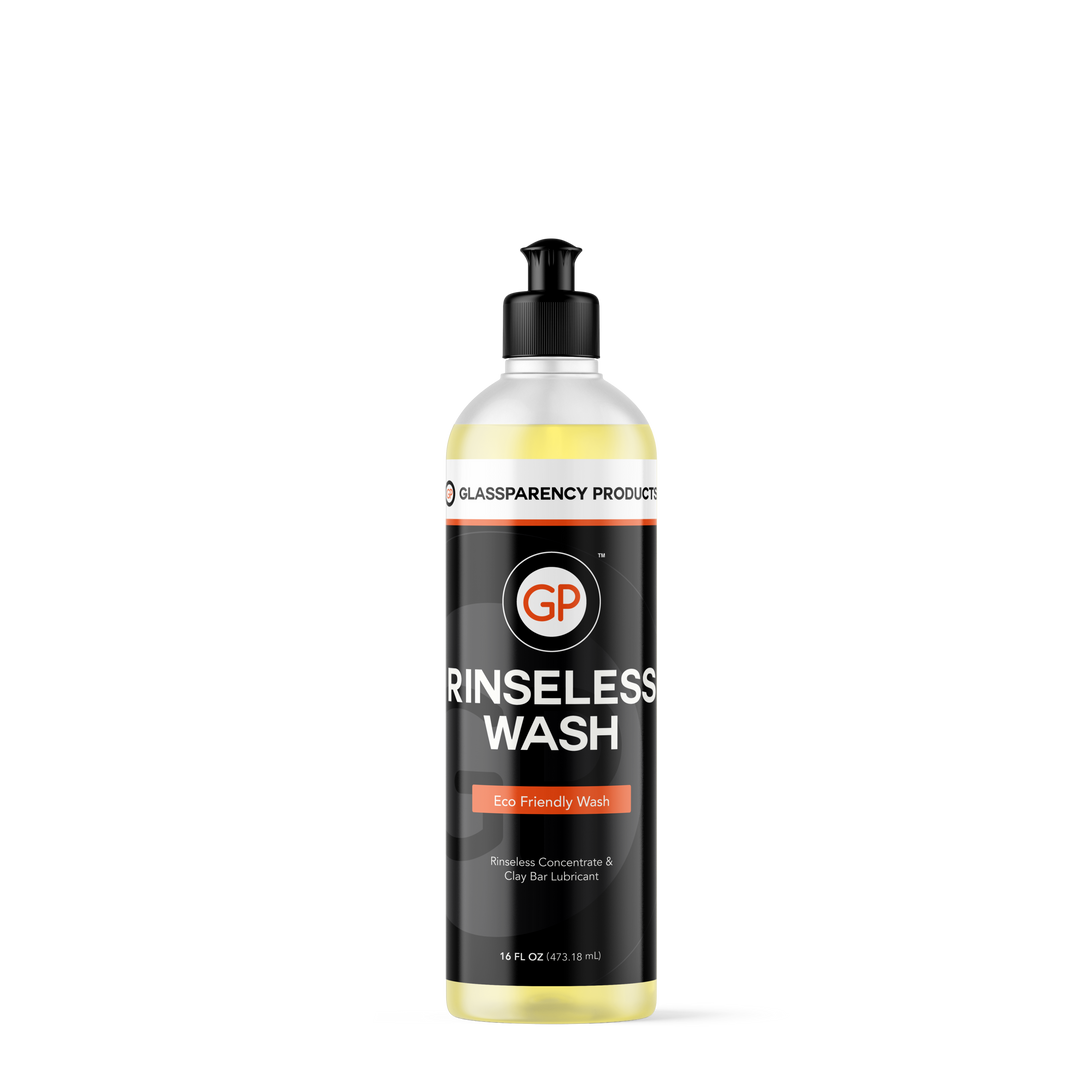
Rinseless Wash
Low-water wash method that depends on lubrication, section size, towel management, and contamination level more than hose pressure.