Ferrous contamination is a chemical problem first
Brake and rail-type particles can embed into paint and wheel finishes. Reactive iron-removal chemistry is designed to attack that contamination so less mechanical force is needed afterward. The visible color change is useful feedback, but it is not a direct measure of how contaminated the panel was or how much damage existed.
Mechanical decontamination is not consequence-free
Clay and similar media can shear bonded particles away, but they can also leave marring, especially on softer paint. That does not make clay “bad”; it means the decision should account for whether polishing is planned afterward and whether the contamination actually requires mechanical removal.
Decon changes the next step
A cleaner surface loads polishing pads more slowly, makes inspection more honest, and reduces the chance that contamination becomes an uncontrolled abrasive during correction. If the end goal is protection without polishing, the decontamination method needs to be even more conservative because any induced marring will remain visible.
Mechanical decon has an entry condition
Move to clay or another mechanical decontamination method only after the vehicle has been washed, the relevant chemical decon has been completed and rinsed, and the paint still feels or tests as contaminated. The remaining problem should be bonded material that chemistry did not remove, not simply a habit of claying every vehicle.
| Before mechanical decon | Requirement |
|---|---|
| Clean starting surface | Loose soil and traffic film are already removed so the media is not dragging ordinary dirt across the paint. |
| Remaining bonded contamination | Roughness or visible bonded material remains after the appropriate chemical step and rinse. |
| Lubrication and test area | The chosen media has sufficient lubrication and a small test section can be inspected for marring before the whole panel is treated. |
| Finish plan | If the paint is soft or the media is aggressive, know whether polishing is planned afterward. If no correction is planned, stop if the test area mars. |
| Problem | First escalation | Risk |
|---|---|---|
| Embedded iron/brake dust | Reactive iron remover | Drying product or using on incompatible hot surfaces |
| Organic bug residue | Targeted pre-treatment | Excess dwell on hot paint |
| Rough paint after chemical decon | Mechanical decon with lubrication | Marring that may require polishing |
| Smooth paint with no bonded contamination | Stop | Unnecessary abrasion |
Products that belong at this decision point

Basic Car Wash Kit
Multi-step maintenance bundle assembled around a defined wash/detail process rather than a single chemistry.
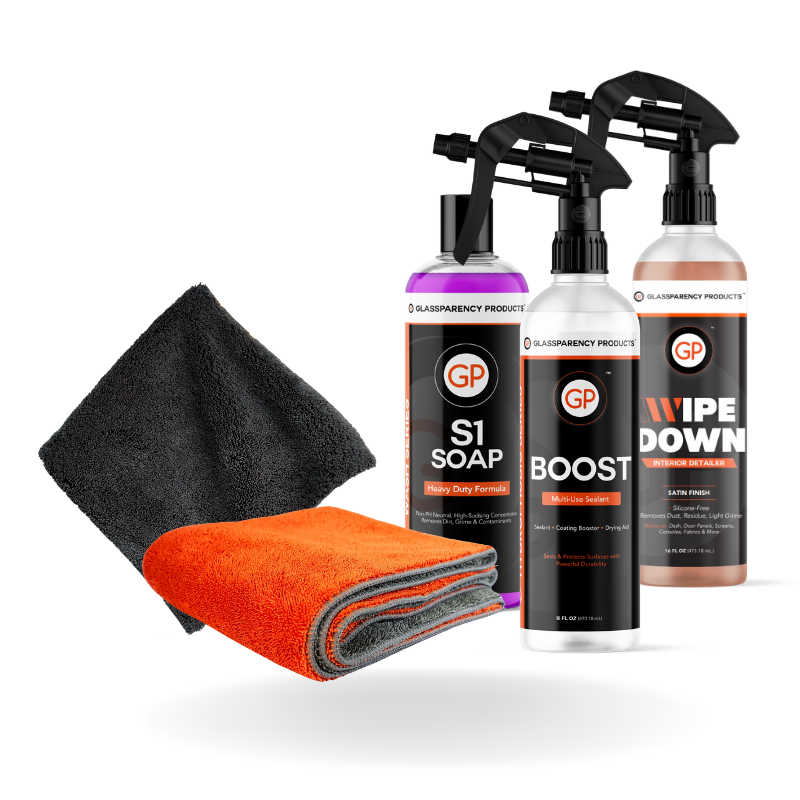
Basic Wash Kit
Multi-step maintenance bundle assembled around a defined wash/detail process rather than a single chemistry.
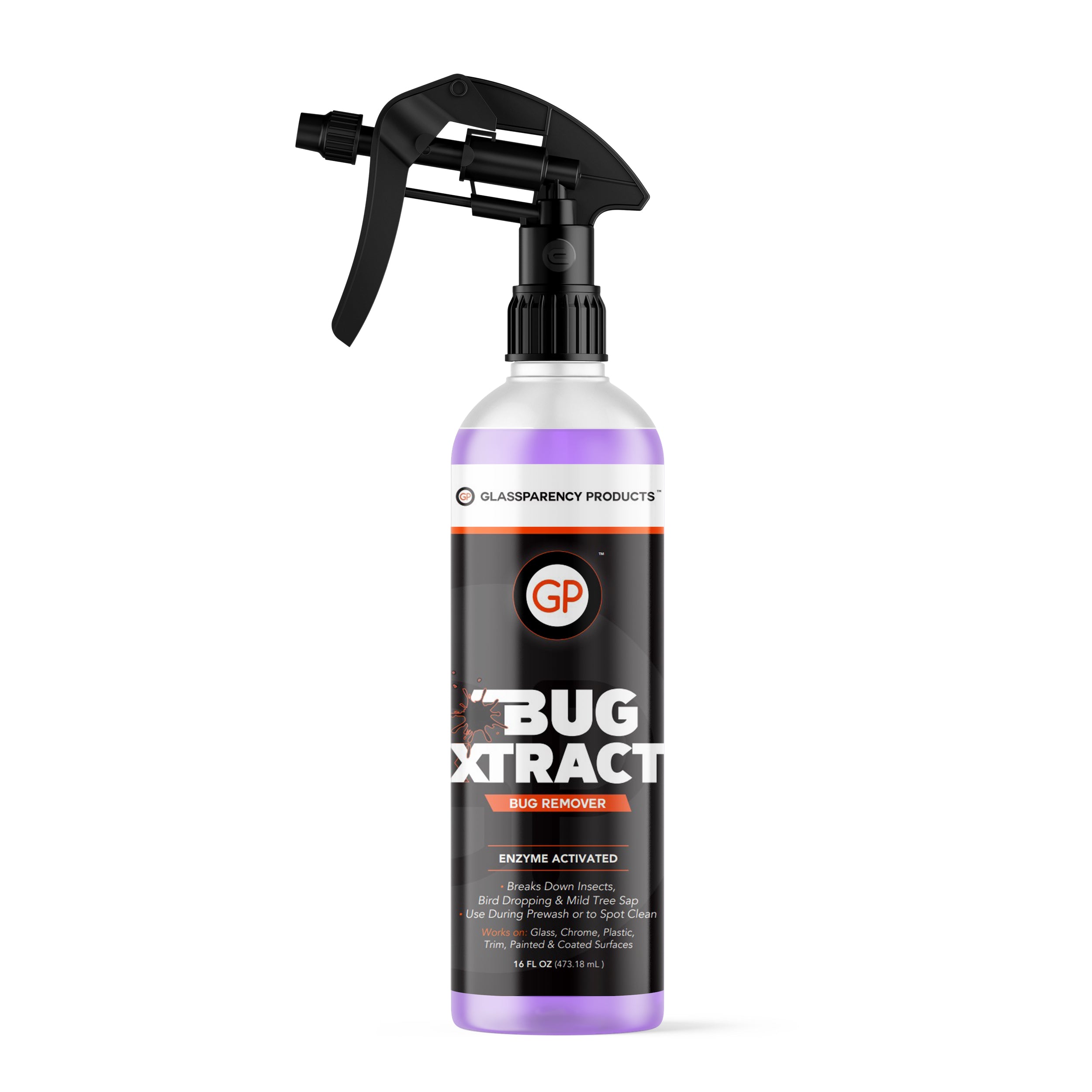
Bug Xtract Bug Remover
Targeted pre-treatment for organic road contamination before contact washing.
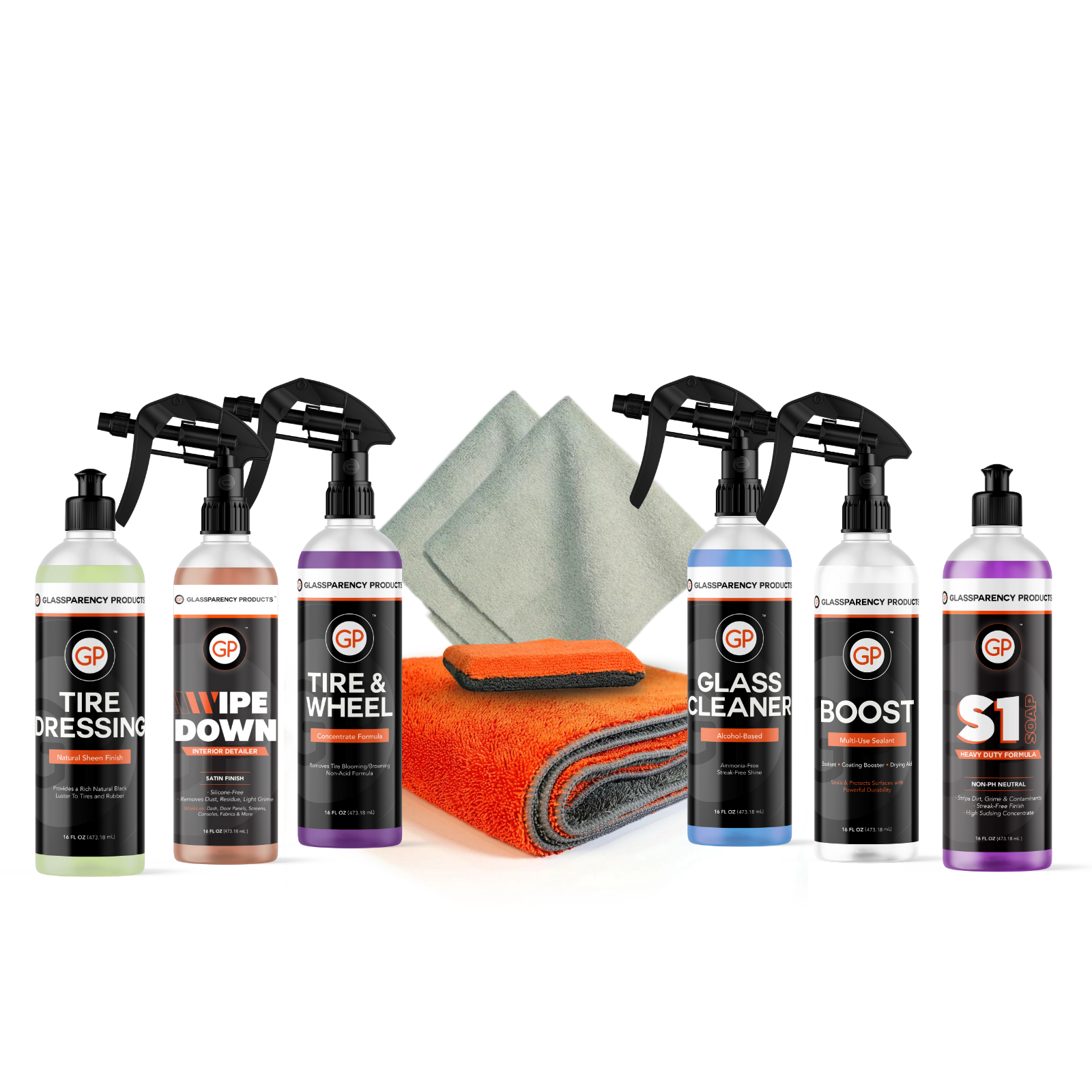
Complete Detail Kit
Multi-step maintenance bundle assembled around a defined wash/detail process rather than a single chemistry.